
The Layering Guide: How to Wear Knitwear From 15°C to -10°C
One sweater, five temperature zones. A practical system for layering knitwear that actually works in real weather.
The weather app says 12°C in the morning, 22°C by noon, back down to 8°C after sunset. Sound familiar? Most fall and winter days are not a single temperature — they are a range. And if you dress for any one number, you will be uncomfortable for part of the day.
The solution is layering, but not the vague "just layer up" advice you see everywhere. What you need is a system: specific combinations for specific temperature ranges, using knitwear as the core piece.
The Five Temperature Zones
Zone 1: Mild (10°C to 18°C)
This is early fall and late spring weather. It is warm enough that a coat feels excessive, but cool enough that a t-shirt leaves you shivering in the shade.
The combo: Short-sleeve knitwear + light bottom layer.
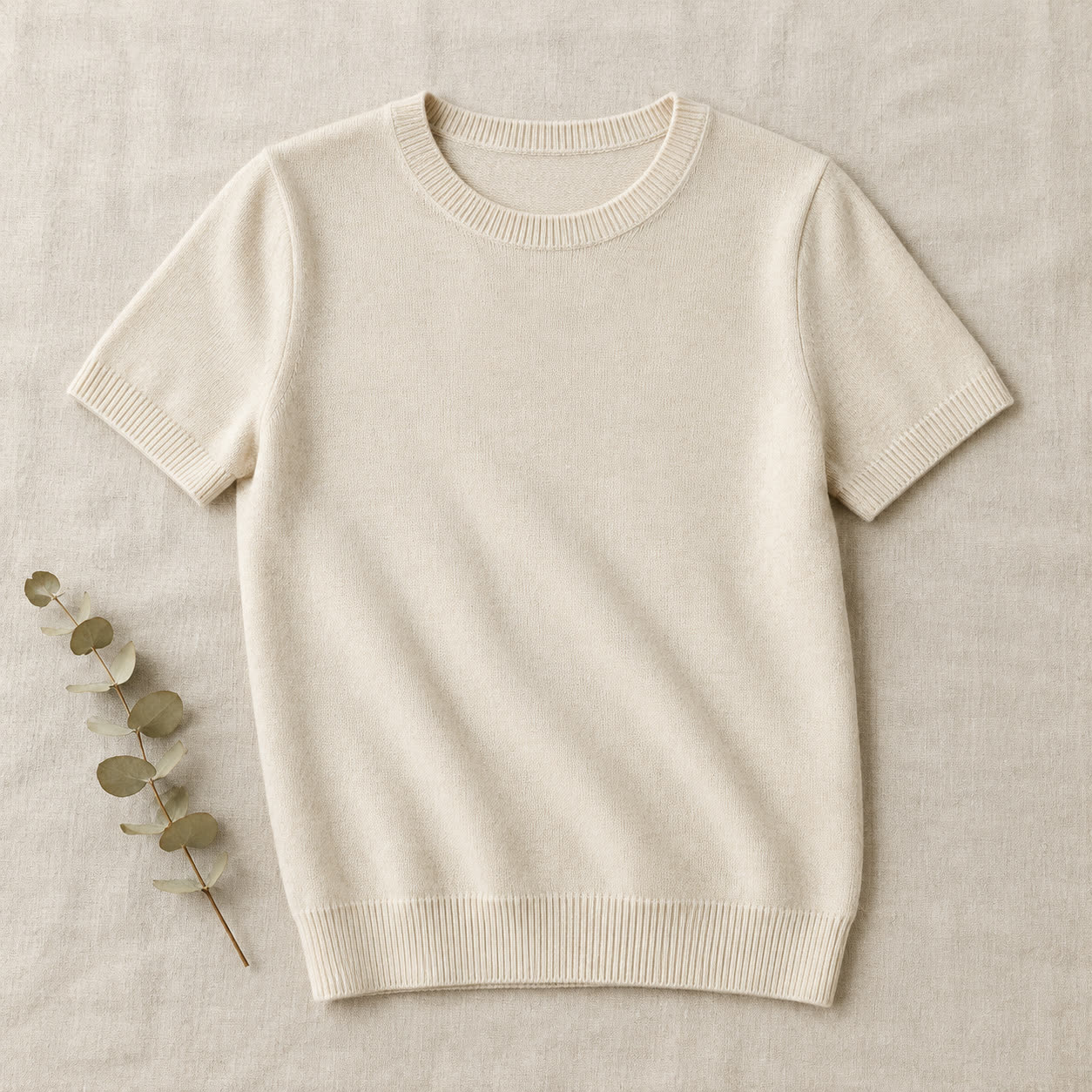
A short-sleeve cashmere blend sweater is perfect here. It covers your core for warmth but leaves your arms free for ventilation. Pair it with chinos or jeans. If the sun comes out and you get warm, the knit is breathable enough that you will not overheat.
The key mistake people make in this zone is wearing a long-sleeve sweater and then pushing up the sleeves. That bunches the fabric, looks sloppy, and does not actually cool you down. A short-sleeve sweater solves this properly.
Zone 2: Cool (5°C to 12°C)
Proper sweater weather. This is where your core knitwear pieces earn their keep.
The combo: Long-sleeve sweater + outer layer you can remove.
Wear a crew neck or V-neck cashmere blend sweater as your base. Over it, add a light jacket — a denim jacket, a thin blazer, or an unlined trench. The sweater alone handles the cool morning. The jacket comes off when it warms up at lunch. Both layers go back on for the evening commute.
If you tend to run cold, swap the light jacket for an open-front cardigan. You get double-knit insulation but can still unbutton or remove the cardigan easily.
Zone 3: Cold (0°C to 5°C)
Now we are in real winter territory. A single sweater is not enough, but a heavy coat over a thin sweater wastes the knitwear's potential.
The combo: Fleece-lined sweater + structured coat.
A fleece-lined turtleneck or mock neck sweater is your secret weapon here. The fleece interior traps body heat close to your skin, while the knit exterior looks polished. Over this, wear a wool coat or down jacket. The combination is warmer than a thick sweater alone because you get two insulating layers with an air gap between them.
This is also where the "sandwich method" — a term that has been trending in fashion this year — comes in. Base layer (fleece-lined knit), middle layer (optional thin cardigan or vest), outer layer (coat). The air trapped between each layer does as much insulating as the fabric itself.
Zone 4: Very Cold (-5°C to 0°C)
At this point, every layer matters. The goal is to seal gaps where cold air can enter.
The combo: Fleece-lined turtleneck + wool cardigan + winter coat + scarf.
The turtleneck collar seals the neck gap. The cardigan adds a second knit layer over the torso. The coat blocks wind. The scarf covers any remaining gap at the collar. Wear wool or thick cotton trousers — denim alone is not warm enough at this temperature.
A common mistake: wearing a thick coat over a thin sweater. You end up with a warm torso but cold arms, because the coat sleeves are padded but the sweater sleeves are not. Better to have two medium layers than one thick and one thin.
Zone 5: Extreme Cold (-10°C and below)
This is survival mode. Function over fashion, but you can still look intentional.
The combo: Thermal base layer + fleece-lined sweater + insulated cardigan + heavy coat.
Start with a thin merino thermal top against your skin. Add a fleece-lined sweater over it. Then a thick, insulated cardigan or knit vest. Finally, a parka or heavy down coat rated for sub-zero temperatures. Cover extremities: wool hat, gloves, thick socks.
The fleece-lined knit is doing double duty here — it is both a mid-layer for insulation and a barrier that prevents the thermal base layer from feeling clammy against your skin.
The One-Sweater Strategy
You do not need a different sweater for each temperature zone. With two strategic pieces — a short-sleeve cashmere blend and a fleece-lined turtleneck — you can cover everything from 18°C down to -5°C by changing what you layer over and under them.
That is the real secret of knitwear: it is not about owning more sweaters. It is about understanding how each one works within a system. Buy fewer pieces, choose them carefully, and layer them intelligently.
Interested in Working With Us?
Whether you have a specific project in mind or just want to explore possibilities, we would love to hear from you.