

Sweater Storage Solutions: How to Store Knitwear Without Ruining It
Fold, never hang. But there is more to proper sweater storage than that. Learn the professional method for keeping your knitwear in pristine condition.
You invested in quality sweaters. Now make sure they survive the off-season. Improper storage is the number one cause of stretched, misshapen, and moth-damaged knitwear. Here is the professional method.
Rule 1: Never Hang Sweaters
This is the golden rule. Hanging a sweater puts all its weight on the shoulders, causing them to stretch and sag. After a few weeks on a hanger, the shoulders will have permanent bumps and the body will be elongated.
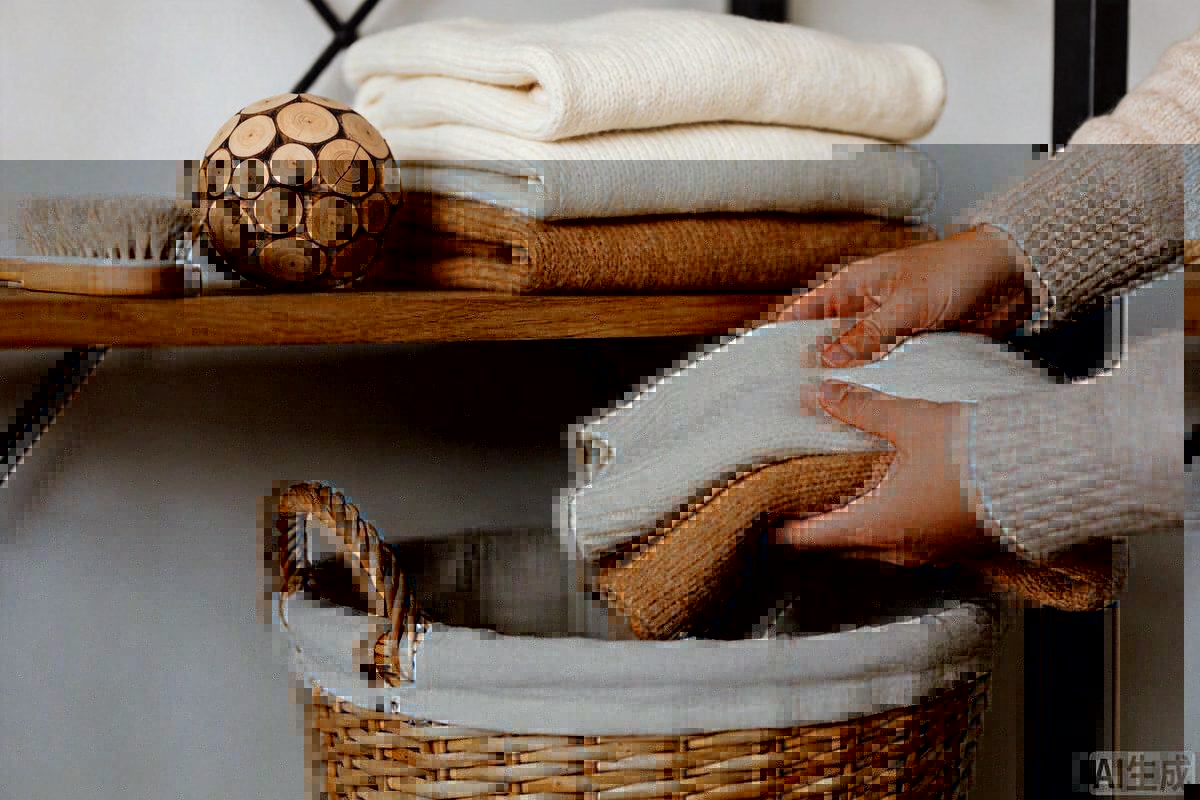
Always fold sweaters. If you must hang something, use a padded hanger and fold the sweater over the bar — never put the hanger through the shoulders.
Rule 2: Clean Before Storing
Never store a sweater that has been worn, even once. Invisible body oils, skin cells, and food particles are a feast for moths and bacteria. Even if the sweater looks clean, those microscopic residues will attract pests and cause yellowing over time.
Before storing for the season:
1. Wash or dry clean according to the care label
2. Ensure the sweater is completely dry — any moisture can cause mildew
3. Let it air out for 24 hours after washing before packing
Rule 3: Choose the Right Storage Container
| Container | Pros | Cons | Best For |
|---|---|---|---|
| Vacuum-sealed bags | Space-saving, airtight | Can compress fibers | Wool, fleece-lined |
| Plastic bins with lids | Stackable, pest-proof | Can trap moisture | If fully dry + cedar |
| Cedar chests | Natural pest repellent | Expensive | Premium knitwear |
Important: Never use vacuum-sealed bags for cashmere or delicate knits. The compression crushes the fibers and can permanently alter the texture. Use vacuum bags only for sturdy wool and fleece-lined sweaters.
Rule 4: Natural Pest Protection
Skip the mothballs — they smell terrible, the odor penetrates the fibers, and they are toxic. Instead, use natural pest repellents:
- Cedar blocks or balls: Place 4-5 in each storage container. The natural oils repel moths. Replace every 6 months as the scent fades.
- Lavender sachets: Dried lavender in small muslin bags. Pleasant scent, effective repellent.
- Rosemary and thyme: A few sprigs in the container add extra protection.
For maximum protection, combine cedar with lavender — the dual scent is more effective than either alone.
Rule 5: The Folding Technique
How you fold matters. A proper fold prevents creases and distributes weight evenly:
1. Lay the sweater face down on a flat surface
2. Fold both sleeves straight back across the body
3. Fold the sweater in half lengthwise (shoulder to hem)
4. Fold in thirds: bring the bottom up to the collar
5. Store with the folded edge facing up
This method prevents collar stretching and distributes the weight evenly.
Rule 6: Climate Control
Sweaters prefer cool, dry environments. Avoid:
- Attics (extreme temperature swings)
- Damp basements (moisture and mold)
- Direct sunlight (fades colors)
- Near heating vents (dries out fibers)
The ideal storage spot is a closet in a climate-controlled room, away from exterior walls that may have temperature fluctuations.
Seasonal Transition Checklist
When switching from winter to summer wardrobe (or vice versa):
- [ ] Wash or dry clean every sweater
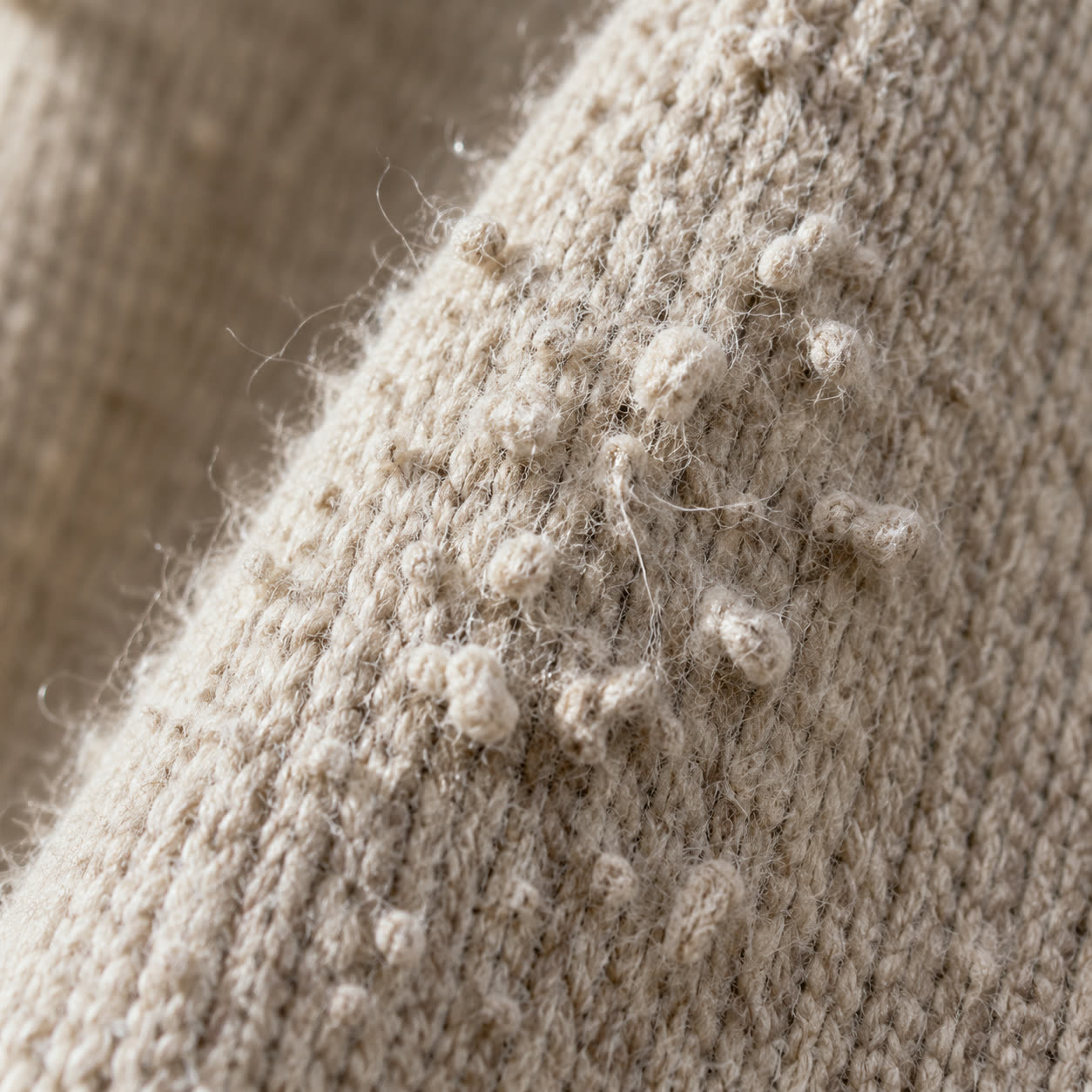
- [ ] Check for any damage (holes, pills, loose threads)
- [ ] Repair small holes before they get bigger
- [ ] Replace cedar blocks with fresh ones
- [ ] Take inventory — note what needs replacing next season
By following these storage principles, your LINFAIR sweaters will look as good next winter as the day you bought them. Quality knitwear is an investment — proper storage protects that investment for years to come.
Interested in Working With Us?
Whether you have a specific project in mind or just want to explore possibilities, we would love to hear from you.