Circular Fashion 2026: Recycled Wool, Regenerated Yarns and the Green Future of Knitwear
Recycled wool, regenerated yarns and certified eco-production are no longer optional. Here's how circular fashion is reshaping the knitwear industry in 2026.
Sustainability has moved from a marketing buzzword to a supply-chain requirement in knitwear. In 2026, circular fashion — designing products to be recycled and reused — is the defining theme. Here is what is happening and what it means for brands and buyers.
What Is Circular Knitwear?
Circular fashion keeps materials in use for as long as possible, then recovers and regenerates them at the end of a product's life. In knitwear, this means:
1. Designing for durability — pieces that last years, not seasons
2. Using recycled or regenerated fibres — closing the loop
3. Eliminating waste — full-garment knitting, digital sampling
4. Traceable supply chains — knowing where every fibre came from
Recycled & Regenerated Wool: The Star of 2026
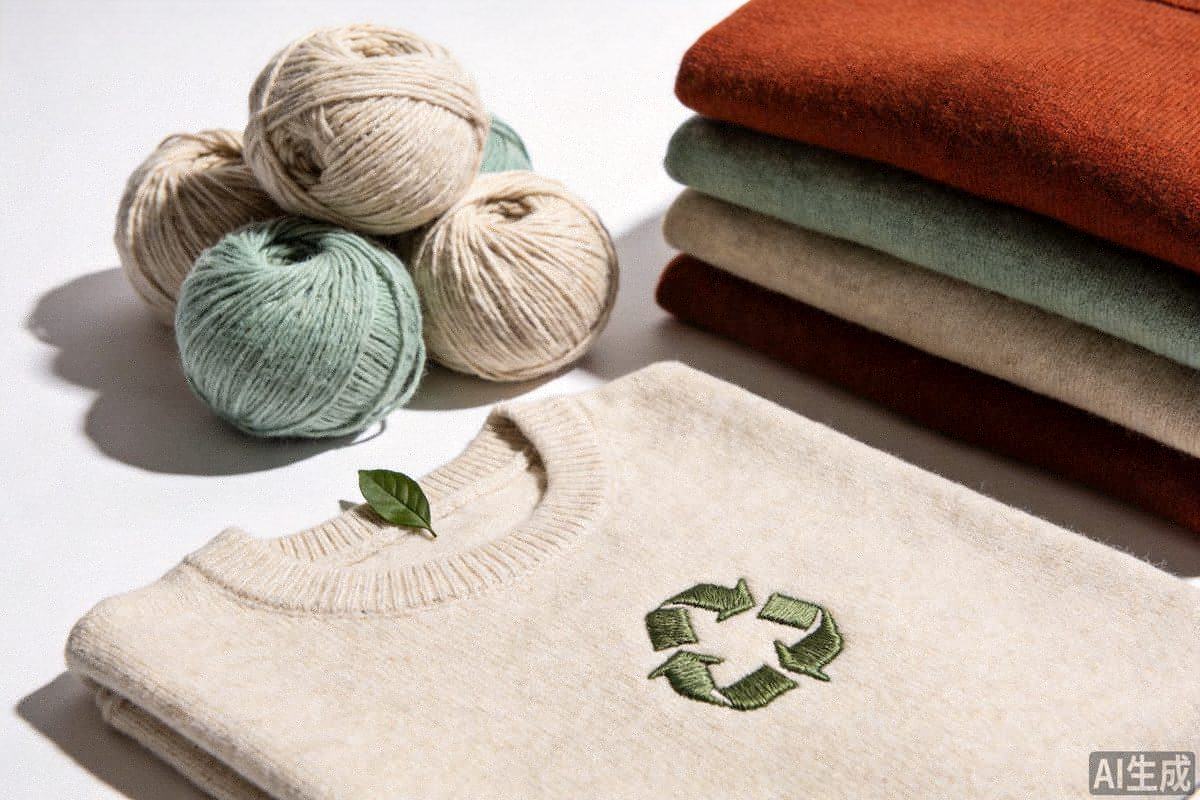
Regenerated wool yarn is made by collecting post-consumer or post-industrial woollen garments, breaking them back down to fibre, and re-spinning them into new yarn:
- Significantly lower carbon footprint than virgin wool
- Premium-quality regenerated yarns are now indistinguishable from virgin in hand-feel
- Major global fashion brands are trialling and adopting them at scale
- "Recycled wool" is becoming a must-have label for premium positioning
Smart Manufacturing Reduces Waste
Technology is making knitwear production dramatically cleaner:
- Full-garment (seamless) knitting produces a complete sweater in one piece — virtually zero cutting waste
- Digital sampling replaces physical samples, saving fabric and shipping
- AI rapid prototyping compresses development and cuts material waste
- Energy-efficient machines reduce carbon per garment
Certifications That Matter
When evaluating sustainability claims, look for real certifications rather than vague promises:
| Certification | What it verifies |
|---|---|
| GOTS | Organic textile standard |
| GRS (Global Recycled Standard) | Recycled content + traceability |
| RWS (Responsible Wool Standard) | Ethical wool sourcing |
| BSCI / Sedex | Social compliance & ethical labour |
Why Buyers Should Care
Sustainability is now a purchasing decision, not just a PR decision:
- EU and US retailers increasingly require eco-credentials from suppliers
- Gen Z and Millennial shoppers actively seek out sustainable knitwear and pay a premium
- Regulatory pressure is rising — the EU is tightening rules on greenwashing and textile waste
What to Ask Your Manufacturer
A credible knitwear partner should be able to answer:
1. Do you offer recycled or regenerated wool yarns?
2. What certifications do your products and factory hold?
3. Can you provide traceability from yarn to finished garment?
4. Do you use full-garment knitting or waste-reducing processes?
5. Can you show your energy and water usage data?
The LINFAIR Approach
LINFAIR is building circularity into everything we make: Oeko-Tex certified production, regenerated wool and cashmere blend yarns, full-garment and computerized knitting that minimizes waste, and digital sampling that cuts physical sample volumes. For brands that want sustainability they can prove — not just claim — we make it easy.
The Bottom Line
In 2026, circular fashion is not a trend — it is the new standard. Brands that embrace recycled materials, clean manufacturing and transparent supply chains will lead. Those that don't will find themselves locked out of the most valuable retail channels.
Interested in Working With Us?
Whether you have a specific project in mind or just want to explore possibilities, we would love to hear from you.